
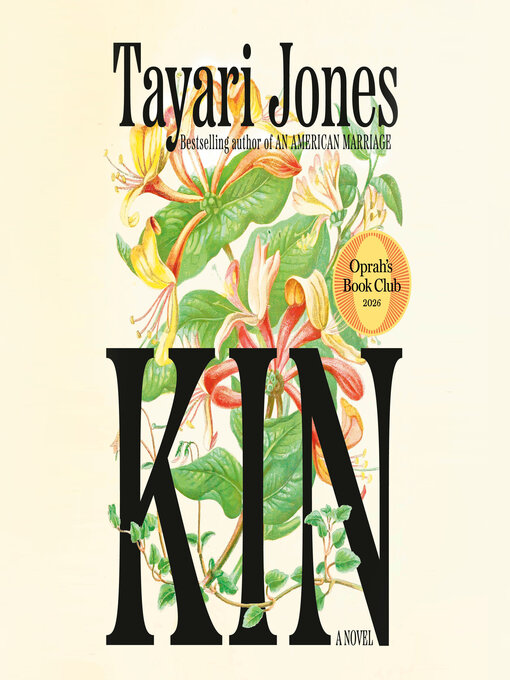
Kin by Tayari Jones is set in the 1950’s and is as rich as the soil of the Deep South. It is a welcome follow-up to her earlier novel An American Marriage, which dug deeply into “living while black” and maturing in marriage.
Kin focuses on two friends, Niecy and Annie, both of whom grew up motherless and poor. Both feel holes in their spirit. Niecy had seen her mother shot and killed by her father. Annie’s mother, Hattie Lee, 16 years old, abandoned her a month after birth. Vernice (Niecy) was raised by her aunt, Irene; Annie, by her grandmother, known simply as “granny.”
Irene taught Niecy to be responsible, guiding her to complete her education, including at the elite institution for black women, Spellman College. Niecy felt well tended to but not really mothered. Annie’s grandmother neither knew how to deal with a child nor how to express affection. The girls bonded as true friends and chosen sisters, calling themselves “cradle friends.”
Annie’s path through life is defined by her search for her mother, whom she traces to Memphis. She departs their small town of Honeysuckle, Louisiana without telling Niecy, who grieves another loss. Annie’s obsessive search interferes with her forming other relationships, but, she says, without a mother, you don’t really know who you are.
Niecy’s path is more traditional, with marriage and stability the goal, as it was for so many coming of age in the 1950’s. She finds that respectable life in Atlanta with a husband who is an attorney, the son of a comfortably middle-class black family.
The “cradle sisters” don’t see each other for three years, but the author alternates chapters in the voices of Niecy and Annie, reinforcing the sense that they are bound together for life. And they do come together in the end to seek a solution to an existential problem in Annie’s life.
Jones’s secondary characters are wonderfully drawn. Throughout Kin, the author lovingly explores issues of class, friendship, the pleasure of sisterhood, the kind of caring that occurs with chosen family, secret lesbian relationships and struggles with sexuality, passionate love and “the love that blooms from decency.” Carefully researched details convey an air of authenticity in her characters’ lives, enabling readers to feel they are there.
Kin is also steeped in the emotional reality of life in the South, especially for women, and rich in the texture of Jim Crow culture in the 1950’s. There are detailed explorations of the poverty that afflicts “folks denied money, access, or humanity in the public square.” Niecy reflects on Atlanta’s Chamber of Commerce motto “Atlanta – the city too busy to hate” but observes that “they had enough time to dislike.”
A major take-away from the book is that “blood alone can’t give you kinship.” But it is so much more, making Kin a meaningful and deeply satisfying reading experience.
I welcome your feedback in the comments section. Click upper left to return to the home page then hit “Leave a Comment.” Book recommendations welcome. To be alerted when a new blog is posted, look for “Follow’ in the upper right portion of the home page, enter your email and click on subscribe. If you enjoy reading my blog, please share it with friends.

